Canal Towpath Volunteering Explained UK: A Practical Guide to Work Parties, Kit and Costs
Canal towpath volunteering explained UK style begins with one blunt figure: roughly 2,000 miles of navigable waterway in England and Wales stay walkable because volunteers cut back hedges, rake gravel and repaint lock beams. Anyone searching for canal towpath volunteering explained UK guidance normally wants three answers – what the work actually is, how many hours it swallows, and whether it costs anything out of pocket. The short version: a typical work party runs 10am to 3pm, one or two Saturdays a month, tools and gloves supplied, and your only real spend is a return train fare of about six to twelve pounds plus a flask of tea. Sessions are led by a trained leader, insured through the navigation authority, and open to people who have never held a bow saw. The rest of this guide covers sign-up, kit, safety, seasonal tasks and how towpath work connects to the wider volunteering scene on your doorstep.
What Towpath Work Parties Actually Do
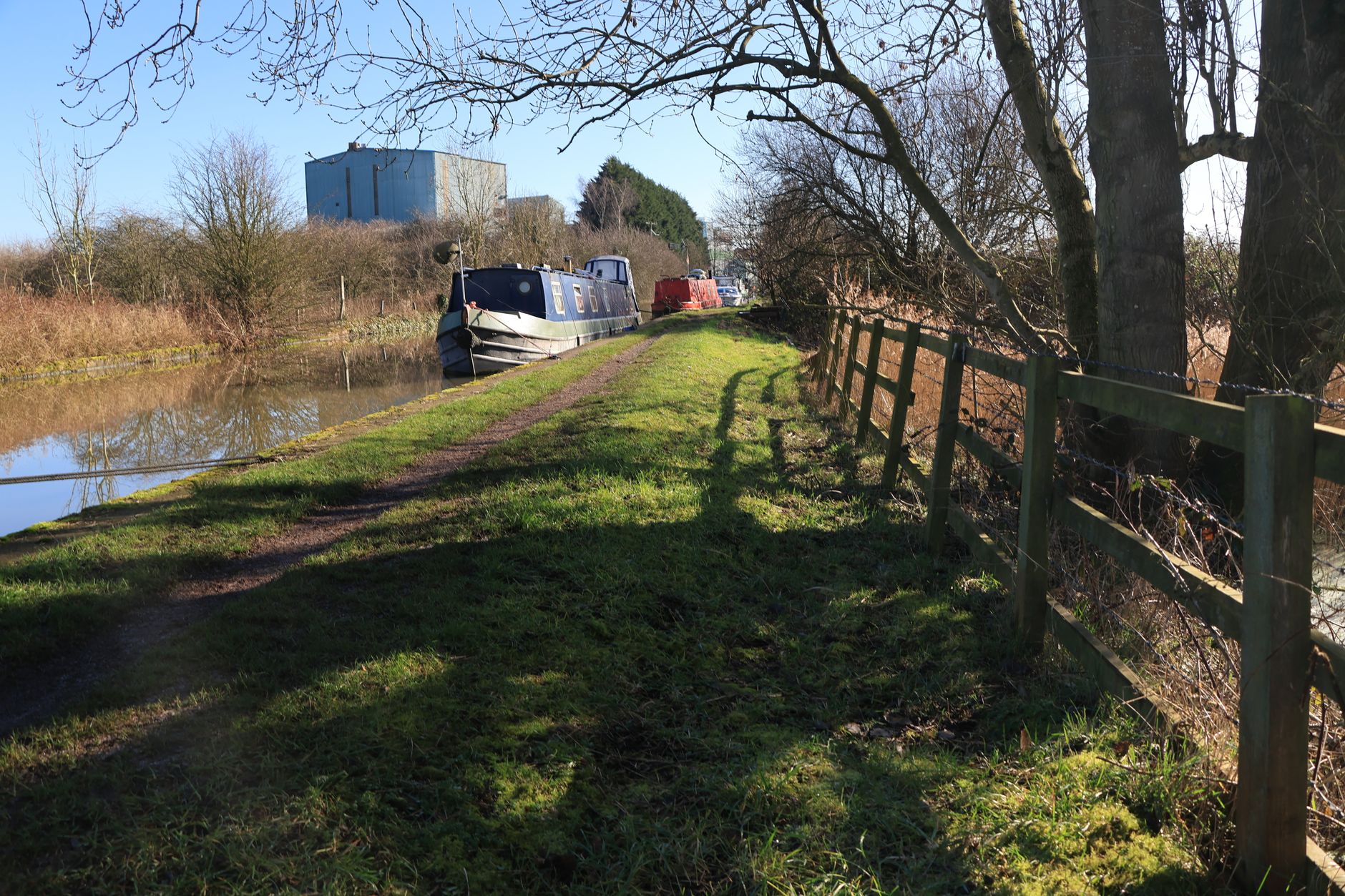
Most accounts of canal towpath volunteering explained UK stop at litter picking, which badly undersells it. Parties scythe nettles off a three-metre path edge, pull balsam from the offside bank, re-lay scalpings where cyclists have worn a trench, and paint lock gate balance beams black and white. The jobs need muscle and patience, not qualifications.
A session usually fields eight to fifteen people split into pairs. One pair barrows aggregate, another works loppers, a third scrubs mileposts back to legible cast iron. Leaders rotate jobs at the halfway break so nobody spends five hours bent double. Productivity gets measured in metres: 120 metres of overgrown edge cleared in a morning is respectable.
Seasonal rhythm shapes everything. Vegetation work runs September to February to protect nesting birds, while spring and summer shift towards painting, hedge repairs, litter sweeps and visitor surveys. Winter parties are colder but far more visible in their results, because one cleared sightline round a blind bend changes how an entire stretch feels to walk.
A Typical Work Party, Hour By Hour
Arrival is 9.45am for a 10am tools talk covering the risk assessment, first-aid kit location and the day’s target. Work runs to 12.30, lunch happens sitting on a lock beam for half an hour, then a second push until 3pm. Tools are counted back in against a list, and somebody reliably brings flapjack.
How To Sign Up, Train And Get Insured
Registration is online and free. You submit contact details, an emergency contact and any medical notes, then attend one induction before joining a regular party. Under-18s need a guardian present. Most groups place new starters within two weeks, though a few popular urban stretches carry a short waiting list through spring.
Insurance comes through the navigation authority or the canal society running the session, covering public liability while you are signed in for the day. That sign-in sheet is the legal record, so arriving late and skipping it genuinely matters. Personal accident cover varies between organisations, so ask the leader before your first outing.
Training escalates gently. Brushcutter, chainsaw and lock-operation certificates are funded for regulars committing to roughly twelve sessions a year, costing the organisation between £150 and £400 per head. Larger works need landowner or council sign-off, and volunteers who read up on parish council meeting rules uk find it far easier to get a resurfacing request onto an agenda.
Kit, Costs And What You Never Need To Buy
Gloves, hand tools, hi-vis vests and first aid are supplied. You provide boots, layers and lunch. Steel-toe wellingtons run £25 to £40, waterproof trousers £20 to £35, and a decent one-litre flask around £15. Nobody expects new gear; scuffed walking boots and an old fleece outperform technical clothing in claggy canal clay.
Second-hand kit is the smart route. Rummaging the best charity shops in london, or any market-town high street, turns up waxed jackets for £12 and fleeces for £4. The same instinct works in reverse, since donating clothes to charity uk shops after a wardrobe clear-out helps fund the very groups you may end up volunteering alongside.
| Item | Typical cost | Who pays |
|---|---|---|
| Steel-toe wellingtons | £25 – £40 | Volunteer |
| Waterproof trousers | £20 – £35 | Volunteer |
| Return travel to site | £6 – £12 per session | Volunteer |
| Loppers, saws, barrows, gloves | £0 | Group |
| Winter meeting room | £10 – £25 per hour | Group |
Group overheads stay modest but real. Winter planning meetings need a room, and village hall hire cost uk figures land between £10 and £25 an hour depending on region and whether the booking qualifies for a charitable rate. Fuel for the tool van, tea urns and printed risk assessments add perhaps £400 to £900 across a year.
Budgeting A Season On The Towpath
Assume £60 to £120 for personal kit in your first year, then close to nothing afterwards. Travel dominates the running cost, since twenty sessions at an £8 return fare reaches £160. Some groups reimburse mileage at 45p per mile for tool runs, and several keep a small hardship fund for anyone that figure would block.
Safety, Seasons And The Jobs Nobody Warns You About
Water is the obvious hazard and the least likely to hurt you. Throwlines sit at every party, but the real injuries come from bramble whip to the eye, wasp nests in September banks, and Weil’s disease from unwashed hands. Cuts get cleaned immediately, and anyone feeling flu-ish afterwards should mention the canal to their GP.
Antisocial behaviour on urban stretches shapes the work too. Groups liaise with local officers and residents, and organisers who understand neighbourhood watch scheme how to start advice tend to build the same reporting habits into towpath patrols – logging fly-tipping, broken lighting and abandoned bikes rather than quietly clearing them and moving on.
Weather cancels less often than newcomers expect. Parties run in drizzle and light frost, standing down only for high winds near mature trees or ice on lock ledges. Check the group’s messaging thread by 8am. Heat is the underrated risk: on a still July towpath with no shade, two litres of water is the minimum.
From Towpath To Wider Community Role
Towpath work is a gateway rather than a destination. The same people who barrow gravel often go on to learn how to volunteer at food bank sessions on alternate weekends, because the underlying skills transfer directly – reliability, rota discipline and comfort working beside strangers. Coordinators actively swap volunteers between projects when one hits a seasonal lull.
Waterside groups also spin off their own projects. Canal-side plots frequently become the practical answer to starting a community garden uk questions, with surplus produce feeding a shared cold store. If you have wondered about community fridge how it works, the model is deliberately simple: donated stock, open access, no means test, and daily temperature logs kept by rota.
- Trustee or committee member – the natural next step if you have researched how to set up a charity and want the group to hold its own funds and grants.
- School governor – interest in how to become a school governor tends to spike after volunteers help run their first narrowboat education visit.
- Food bank sorter – the uk food bank referral process runs on vouchers issued by agencies, while warehouse shifts need the same two-hour reliability as a work party.
- Events lead – much towpath fundraising comes from mastering how to run a village fete, from tombola licensing to £2 stall pitch fees.
- Path warden – a solo monthly walk logging obstructions and damage, ideal for anyone who prefers quiet, unhurried work.
Progression is not automatic and nobody should pretend otherwise. Committee roles demand paperwork, accounts and grant applications, typically four to six hours a month. The payoff is genuine influence over which stretch gets funded next, plus a volunteering record that reads convincingly on almost any application form.
How Much Time Does Canal Towpath Volunteering Take Each Month?
Most groups ask for one session a month, running roughly five hours including the tools talk and lunch, which totals about 60 hours across a year. Regulars who take on tool maintenance or lead a party add another two to four hours monthly for planning, ordering materials and writing risk assessments. There is no minimum commitment on paper, and missing three months in a row will not remove you from the register, although ticket-funded training normally expects around twelve sessions annually. Newcomers often start fortnightly for a single season, then settle into whatever rhythm survives contact with family life and shift work.
Is Towpath Volunteering Suitable For Families And Older Adults?
Yes, within sensible limits. Children from around eight join family litter picks and painting days provided a guardian stays with them, while power tools and offside bank work remain strictly over-18. Volunteers in their seventies and eighties are common, and groups deliberately keep lower-exertion jobs on the list – milepost cleaning, visitor surveys, tea duty, wildlife recording – so nobody gets sidelined. Mobility matters far more than age, since towpaths are uneven and the nearest parking is sometimes half a mile from the work site. Tell the leader about knees, hearts or hearing before the session, and the day gets built around it.
What Tools And Clothing Do I Need For A First Session?
Groups supply the specialist end: loppers, bow saws, rakes, barrows, gloves, hi-vis vests, throwlines and the first-aid kit. You bring footwear with ankle support and a solid sole – steel-toe wellingtons at £25 to £40, or well-worn walking boots – plus waterproof trousers, layers you do not mind ruining, and lunch. A litre or two of water, sun cream in summer and a spare pair of socks cover the rest. Anyone treating canal towpath volunteering explained UK checklists as a shopping list is overspending: charity shop fleeces and last year’s coat do the job, and most parties keep spares to lend a first-timer.