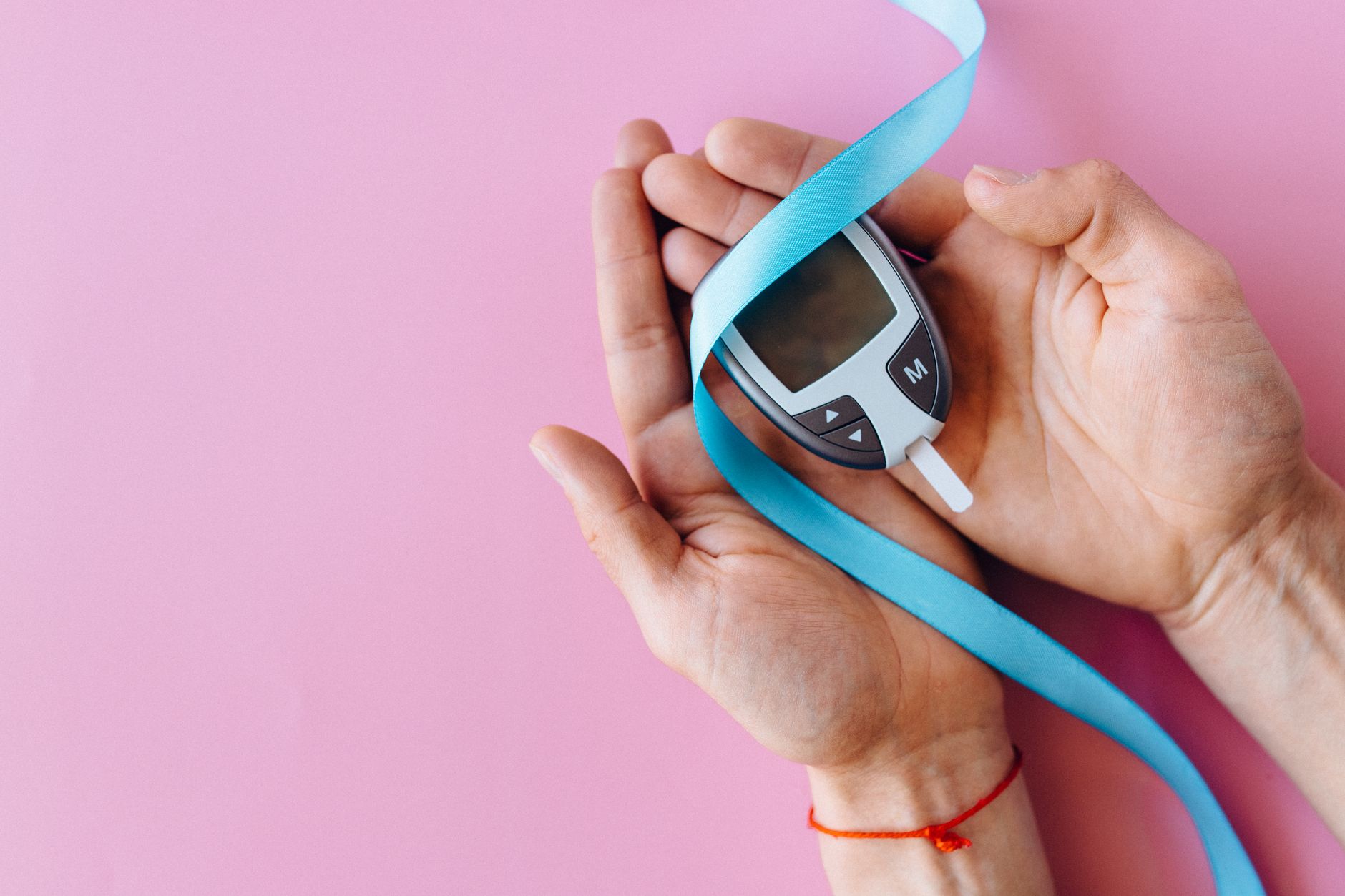
Diabetes technology support is the practical help that turns a boxful of expensive kit into steadier glucose, calmer nights and fewer emergency appointments. Across the UK, demand for diabetes technology support has outpaced clinic capacity, so much of the real learning now happens in village halls, library back rooms and group chats run by people who wear the devices themselves. A continuous glucose monitor costs roughly £40 to £50 per sensor when self-funded, an insulin pump carries a list price near £2,000 to £3,000, and a hybrid closed-loop setup ties the two together with an algorithm that adjusts basal delivery every five minutes. None of that hardware helps if the alarms are wrong, the app will not pair, or nobody has explained what a compression low looks like at three in the morning. That gap is exactly what good support closes.
What Real-World Support Actually Covers
Support starts with expectation setting. A sensor is not a promise of perfect numbers; it is a data stream running five to fifteen minutes behind fingerstick readings. Understanding that lag prevents over-correction, which is the single most common mistake newcomers make during their first fortnight with any wearable glucose device.
The second layer is configuration. Default alarm thresholds ship at 3.9 mmol/L and 13.9 mmol/L, which suits almost nobody. Raising the low alert to 4.4 mmol/L buys roughly fifteen minutes of warning, while narrowing the high alert during the first month usually produces alarm fatigue rather than tighter control.
The third layer is human. Someone has to answer when a sensor fails on day four, when adhesive lifts in humid weather, or when a replacement request needs a batch number. Manufacturers replace faulty sensors free of charge, but only when the fault is reported inside their stated window, which is often just fourteen days.
Continuous Glucose Monitoring, From First Sensor to First Alarm
New wearers do best with a two-week overlap period, keeping fingersticks alongside the sensor to build trust in the readings. Compare at flat arrows rather than during rapid change, and expect a mean absolute relative difference of around nine to eleven percent on mainstream systems available today.
What the Kit Costs in Pounds and Who Pays
Funding varies by clinic and by criteria. Most people with type 1 now qualify for a monitor through the NHS, while type 2 access remains tighter and usually depends on insulin use or recurrent hypoglycaemia. When funding is refused, self-funding lands between £1,000 and £1,600 a year.
Pumps are handled differently. The device is loaned by the trust rather than bought privately, and the ongoing cost sits in consumables: infusion sets, reservoirs and adhesive, typically £1,200 to £1,800 annually at list price. Self-funding an entire pump programme is rare and rarely advisable for a household on a fixed income.
Hidden costs catch people out. Overpatches run about £15 for thirty, a replacement reader costs £40 to £60, and phone upgrades occasionally break app compatibility for months. Budgeting an extra £150 a year for accessories keeps small equipment failures from turning into genuine clinical events.
| Item | Typical self-funded cost | Practical note |
|---|---|---|
| CGM sensor (10-15 day wear) | £40-£50 each | Roughly £1,000-£1,600 per year of continuous wear |
| Reader or receiver | £40-£60 | Optional if the phone app is supported |
| Smart insulin pen | £50-£150 | Logs dose and timing automatically |
| Pump consumables | £1,200-£1,800 per year | Usually NHS supplied with an approved pump |
| Adhesive patches and accessories | £100-£150 per year | Prevents sensor loss during swimming and sport |
Choosing Devices Without the Marketing Noise
Device choice is less about brand loyalty than about how you live. Someone swimming four times a week needs adhesive performance above all; a shift worker needs flexible alarm scheduling; a parent of a teenager needs remote following on a second phone. Rank those needs before reading a single comparison chart.
Sensor wear time ranges from ten to fifteen days across mainstream systems, and warm-up periods run one to two hours. Longer wear reduces cost per day but sharpens the sting of a failure on day thirteen. Replacement policy is a fairer tiebreaker than headline accuracy figures.
Smart insulin pens sit between injections and pumping. They record dose and timing automatically, cost £50 to £150 depending on the manufacturer scheme, and cut missed-dose confusion dramatically. For anyone not ready for a pump, they deliver a large share of the benefit at a fraction of the complexity.
Hybrid closed-loop systems adjust basal insulin automatically but still require carbohydrate entry at meals. Reported time-in-range improvements sit around eight to twelve percentage points, which is roughly two extra hours a day inside target. They reward accurate carbohydrate counting and punish guesswork.
Pets, Alert Dogs and Honest Expectations
Households rarely make health decisions in isolation. A striking share of the questions at community meetups are not about basal rates at all, but about dogs: whether a pet can smell a hypo, whether a puppy will drown out overnight alarms, and whether a family already juggling pumps can manage house training too.
The honest answer on scent work is narrow. Accredited hypo-alert dogs train for eighteen months to two years and are usually retrievers, spaniels or collies. Someone typing french bulldog puppy for sale into a search bar at midnight is shopping for a companion, not a medical device, and that distinction genuinely matters.
Flat-faced breeds compound the problem. A dog that pants heavily at night, snores at seventy decibels, or needs airway surgery will mask the very alarm you depend on. Anyone searching puppy french bulldog for sale should factor sleep disruption directly into their overnight hypoglycaemia plan before committing.
- puppy for sale french bulldog – often the same litters listed across three sites at three different prices
- french bulldog puppy for sale uk – filter by health testing and airway grading, not by photo quality
- puppy french bulldog for sale uk – expect a waiting list of four to nine months from a responsible breeder
- english bulldog puppy for sale near me and british bulldog puppy for sale near me – the same breed under two names
- puppy bulldog for sale near me – a broad phrase returning crossbreeds as often as pedigrees
- blue french bulldog puppy for sale – a colour premium carrying no health advantage whatsoever
- mini bulldog puppy for sale – a marketing label rather than a recognised breed standard
- american bulldog puppy for sale near me – a 30-45kg working breed with very different exercise demands
Budgeting for a Puppy Without Squeezing Device Costs
Cost planning is where the two subjects meet. The french bulldog puppy price uk buyers actually pay from a health-testing breeder sits around £2,000 to £3,500, with insurance from £45 to £90 monthly and corrective airway surgery running £1,500 to £3,000 if breathing deteriorates with age.
Building Local Diabetes Technology Support That Lasts
Sustainable groups share three habits. They meet at a fixed time, they keep a written kit list so newcomers know what to bring, and they separate device chat from clinical advice. Nobody in a village hall should be adjusting somebody else’s insulin ratios over a cup of tea.
Pharmacies remain the most underused resource. Many will check sensor placement, explain app pairing, and flag interactions between paracetamol and certain older sensor chemistries. A ten-minute conversation at the counter frequently resolves what would otherwise become a six-week wait for a clinic slot.
Peer knowledge ages quickly. Firmware changes, app rewrites and formulary updates can invalidate advice within a year, so groups keeping a shared, dated notes document outperform those relying on memory. Review that document every quarter and delete anything nobody present can verify.
The strongest diabetes technology support networks measure something simple: how many members moved from first sensor to confident daily use within a month. Counting that single number turns a friendly chat into a service that funders and clinics take seriously.
How Do I Get Help With a New Sensor Without Waiting Months?
Start with three routes in parallel rather than one. Ask your diabetes specialist nurse for the next structured education date and join the list even if it sits four months out. Contact the device manufacturer directly, because most run free onboarding calls and employ regional trainers who visit clinics; that call usually happens within a fortnight. Then find the nearest peer group, since practical problems such as lifting adhesive, alarm tuning and app pairing are solved fastest by people wearing identical kit. Bring your reader, your phone and your last fourteen days of data to every appointment. Preparation shortens waits far more reliably than persistence does.
Is a Continuous Glucose Monitor Worth It If You Are Not on Insulin?
For many people, yes, though the reasoning differs. Without insulin the goal is not hypoglycaemia avoidance but pattern discovery: which meals spike you, how a thirty-minute walk after dinner flattens the curve, how a broken night raises fasting readings. A single self-funded fortnight, around £50 to £100, often produces more behaviour change than a year of quarterly HbA1c results. The caveat is obsession. Some wearers chase a perfectly flat line, restrict food unnecessarily, and finish more anxious than informed. Treat one or two sensors as a diagnostic experiment, write down what you learn, then decide whether continuous wear adds anything real.
What Should a Household Budget for Devices and a Puppy in One Year?
Add both columns honestly before committing to either. Self-funded glucose sensing runs £1,000 to £1,600 annually, accessories add roughly £150, and a smart pen is a one-off £50 to £150. A puppy from a health-testing breeder costs £2,000 to £3,500 up front, then £1,200 to £1,800 a year for food, insurance, vaccinations and routine veterinary care. First-year totals therefore land near £3,500 to £5,500 combined, before a single emergency. Airway surgery on a flat-faced breed can add £3,000 by itself. If that figure strains the household, delay the dog rather than the sensor: one is a companion, the other is clinical infrastructure.