The Best UK Travel Destinations: A Local Guide to Coast, City and Countryside
The best UK travel destinations rarely announce themselves with billboards; they reveal themselves in a harbour wall at low tide, a market hall that still smells of yeast, or a cliff path that empties after four o’clock. Ranking them honestly means weighing three things at once: what a place offers, what it costs to reach, and how it feels once the day-trippers leave. This guide works through the coastline, the cities, and the green interior, with realistic travel times from major hubs, typical prices in pounds, and the practical details that decide whether a weekend feels generous or rushed. It draws on the way people in local communities actually travel — off-peak trains, second homes borrowed from cousins, campsites booked months ahead — rather than the glossy version. Use it to build a shortlist you will genuinely visit, not a wish list that stays pinned to the fridge.
What Separates the Best UK Travel Destinations From the Rest
A destination earns a place on the list when it holds up in poor weather. Rain is the honest test: a town with a covered market, a decent museum and three good pubs within a ten-minute walk stays enjoyable at nine degrees and drizzling, while a single-beach resort collapses into a car park with a view.
Cost per day matters more than headline train fares. A bed in a Whitby guesthouse at roughly £95 a night with breakfast included often beats a £65 room where every meal is bought out. Budget around £110 to £140 per person per day for a comfortable UK short break outside London.
The third filter is community texture. Places that still function as working towns — Kirkcudbright, Frome, Hebden Bridge, Portstewart — give visitors something a purpose-built resort cannot: notice boards, choir practice, a Saturday allotment gate left open. That texture is why certain travel destinations in UK guidebooks keep reappearing decade after decade.
Scoring a Shortlist in Ten Minutes
Score each candidate out of five on four axes: wet-weather options, food within walking distance, transport without a car, and one thing you cannot see anywhere else. Anything scoring under twelve gets dropped. This crude method removes about half a typical shortlist and saves a wasted weekend.
Coast and Seaside: Where the Best Travel Destinations UK Visitors Love Actually Are
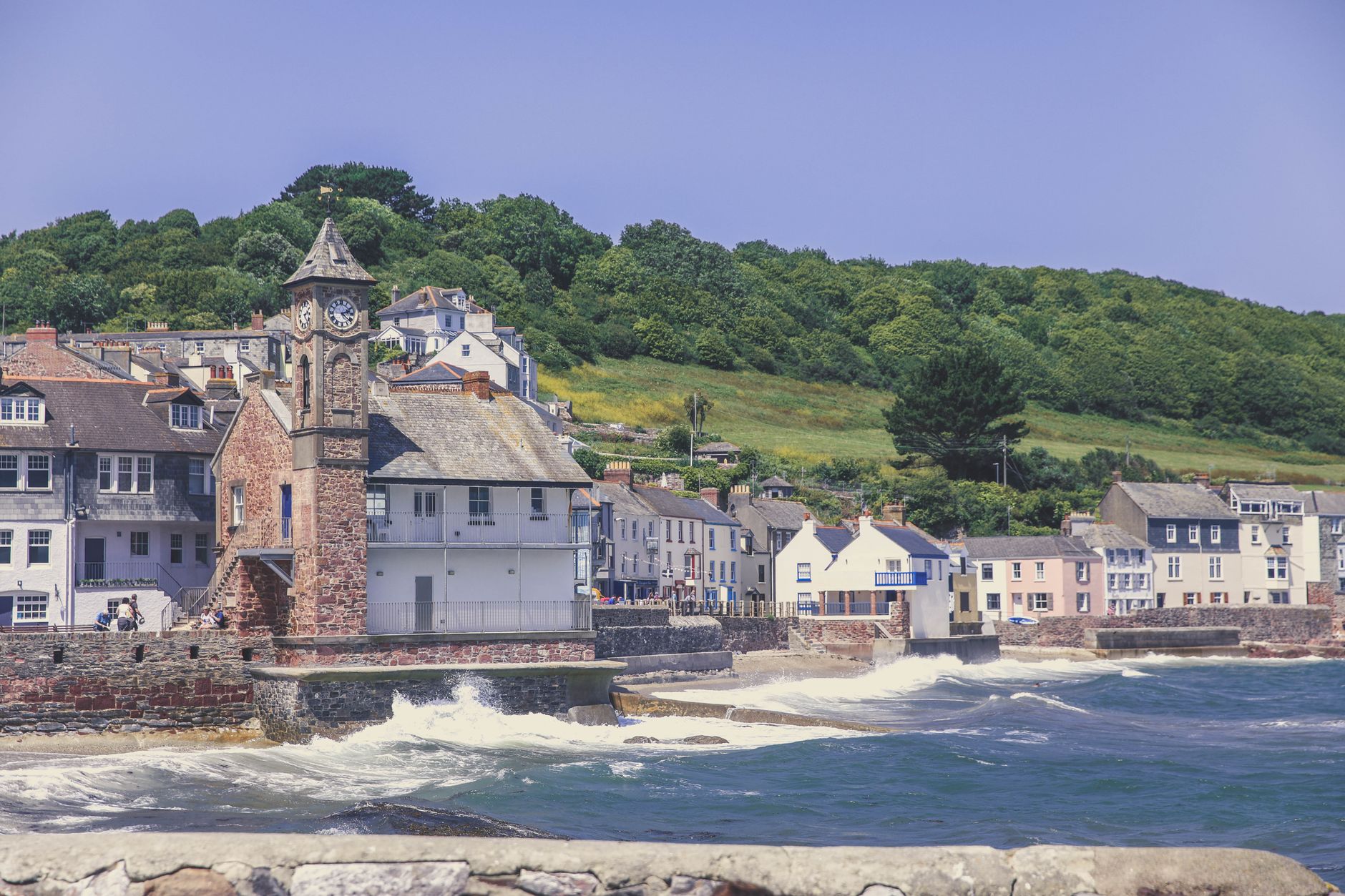
Britain has about 11,000 miles of coastline, and the difference between two harbours fifteen miles apart can be enormous. Whitby delivers abbey ruins, a working fishing fleet and fish and chips for roughly £12 eaten on a harbour wall. Tenby offers pastel terraces and four separate beaches inside one walled town.
| Destination | Region | Typical journey from London | Two nights, two people | Best for |
|---|---|---|---|---|
| Whitby | North Yorkshire | 5h by rail via York | £210 to £280 | Harbour life, moors walking |
| Tenby | Pembrokeshire | 5h by rail via Swansea | £230 to £320 | Family beaches, boat trips |
| St Andrews | Fife | 6h by rail via Leuchars | £260 to £360 | Golf, cliffs, student cafes |
| Portrush | County Antrim | 3h by air plus 1h drive | £190 to £260 | Causeway Coast, empty strands |
| Salcombe | South Devon | 4h by rail plus bus | £300 to £420 | Estuary sailing, seafood |
Shoulder season changes the maths completely. A Cornish cottage that lets for £1,400 in August often sits at £520 in late September, when the sea is at its warmest. Rock pools, coast paths and lifeboat stations do not close, and parking near the beach stops being a competitive sport.
Northern Ireland remains the most underrated stretch. Portrush, Ballycastle and the Causeway Coast pack basalt cliffs, a distillery and long empty strands into forty miles, with accommodation typically 20 to 30 per cent cheaper than comparable Devon. Flights from Manchester or Glasgow run under an hour.
City Breaks That Reward Slow Walking
Edinburgh, York, Bristol, Cardiff and Liverpool all reward two days on foot. The rule is to pick one museum, one neighbourhood and one long walk per day, then leave the rest alone. Cramming six attractions into forty-eight hours produces photographs and very little memory.
Liverpool suits anyone raised on soul and Motown records: the Cavern quarter, the British Music Experience and a dozen small venues where sixties setlists still get played properly. Expect £70 to £110 a night for a central double, and free entry at the Walker Art Gallery and Museum of Liverpool.
Smaller cities often outperform capitals on value. York packs walls, a minster and the Shambles into a square mile, so a family of four can walk everywhere and spend nothing on transport. Compare that with London, where travel alone can absorb £40 a day.
Comparing Rail, Coach and Package Options
Advance singles released twelve weeks out cut fares by half or more; a coach covers the same route for £15 to £25 if you can spare the hours. Travel agents matter too — browsing Hays Travel destinations from UK regional airports often surfaces domestic flight-and-hotel bundles that undercut booking the two separately.
Countryside, Green Space and Everyday Escapes
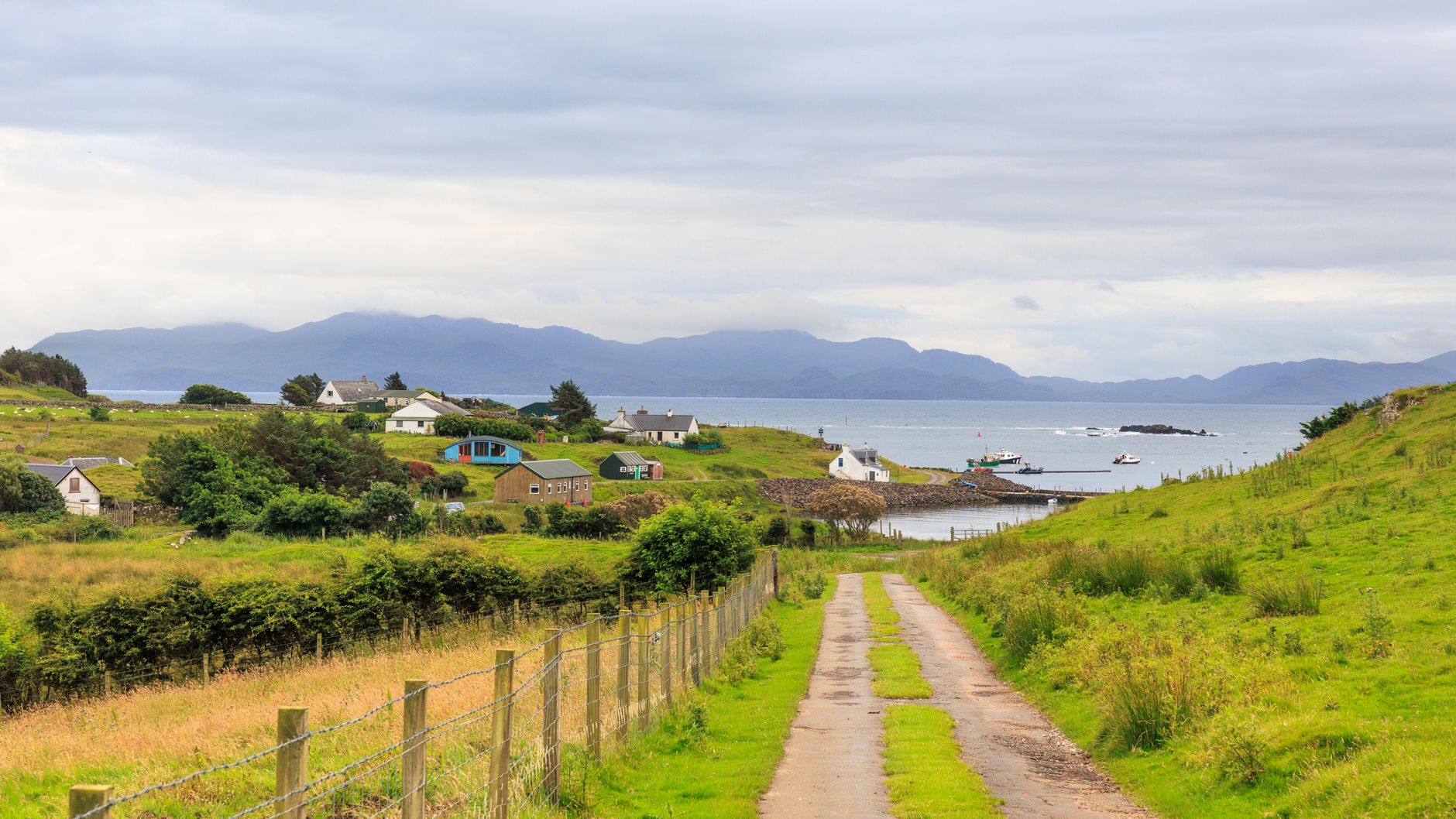
Not every trip needs a suitcase. The Peak District, Brecon Beacons, North York Moors and Galloway Forest all sit within ninety minutes of major population centres, which makes them the quiet backbone of UK travel destinations for anyone with a Saturday and a full tank.
Searching for dog walking parks near me before you set off saves real frustration, because livestock fields and ground-nesting bird zones require leads from March to July. Country parks with waymarked circuits — Clumber, Bolton Abbey, Castle Espie — handle wet paws far better than a fragile nature reserve.
- Check a car park postcode, not just the place name — moorland lay-bys fill by 9am on dry weekends.
- Filter parks for dog walking near me by whether they have a water tap and bins, not just acreage.
- Carry £3 to £5 in coins; plenty of rural honesty boxes and parking meters still refuse cards.
- Pack two pairs of socks per person, since dry feet extend a walk by roughly two hours.
- Note the last bus time before you park — rural services often stop before six in the evening.
Growing space travels with you conceptually. Visitors touring model villages and walled kitchen gardens often return fired up about UK allotment gardening, and the waiting lists prove it: many councils quote two to five years for a half-plot, at rents commonly between £25 and £70 annually.
Allotment gardening UK style also shapes where people holiday: plot-holders travel in the shoulder seasons because July and August belong to watering rotas. That single constraint is why September and early May are the smartest weeks to book almost anywhere in the country.
Bringing the Trip Home: Kitchens, Desks and Slow Weekends
The best souvenirs are habits. A Bakewell pudding in Derbyshire or a bara brith in Powys tends to send people hunting great British baking recipes the following weekend, and those bakes cost £2 to £4 in ingredients against £5 or more for a single slice out.
British baking recipes double as trip planning. A Saturday spent on Eccles cakes, Dundee cake and Welsh cakes is a cheap way to decide which region to visit next, and regional bakeries — Betty’s, Sally Lunn’s, Yorkshire’s plate pies — become concrete reasons to book.
Remote work widened the field. Sensible home office setup ideas — a second monitor, a 65cm desk depth, a chair with real lumbar support and a router that copes with rural broadband — let people work Thursday from a Northumberland cottage and walk the coast path by four.
Judged this way, the strongest travel destinations UK households return to are the ones that fold into ordinary life: a two-hour drive, a kitchen worth cooking in, and a footpath from the door. That is a more useful test than any published ranking of best UK travel destinations.
How do I pick the best UK travel destinations on a tight budget?
Work backwards from your total, not from a wish list. Set a ceiling — say £400 for two people over three nights — then subtract fixed costs: transport, accommodation and one paid attraction. Advance rail tickets bought around twelve weeks ahead, self-catering with a real kitchen, and free national museums usually leave £80 to £120 for food and treats. Choose one destination inside three hours of home rather than two that are five hours away, because travel time is the cost people consistently underestimate. Shoulder-season weeks in May, June and September cut accommodation by 30 to 50 per cent while keeping daylight long enough for a proper coast or hill walk.
Is it cheaper to travel the UK by train or by car?
It depends almost entirely on headcount. One person travelling 200 miles typically pays £30 to £60 on an advance return, against roughly £35 in fuel plus £10 to £20 daily parking for a car — so rail wins solo. Add three passengers and the car costs the same while the train quadruples, unless a GroupSave or family railcard applies. Railcards deducting a third are worth about £30 a year and pay for themselves in two journeys. Factor in the destination as well: York, Edinburgh and Bath are easier without a car, while the Highlands, mid-Wales and the Yorkshire Dales genuinely need one.
What makes a good first family holiday in Britain?
Pick somewhere with a beach, a rainy-day building and a short drive from your front door. Tenby, Filey, Nairn, Newcastle in County Down and Weymouth all combine sand, a harbour and paid attractions inside walking distance, which removes the mid-afternoon scramble that ruins family days. Book self-catering rather than a hotel so meals cost £15 rather than £60, and choose a property with a garden or safe yard. Keep the itinerary to one fixed plan per day and let everything else stay optional. Families consistently rate a familiar return trip above an ambitious first visit, so treat the first year as a test run and repeat what worked.