Baby Bank Donation Guide UK: What to Give, What to Skip and Where to Drop It
This baby bank donation guide UK readers actually need starts with a blunt fact: roughly a third of everything handed in at a typical baby bank gets rejected, usually for hygiene or safety reasons rather than a lack of goodwill. A well-run baby bank donation guide UK households can follow saves volunteers hours of sorting and gets a sleepsuit onto a real baby within a fortnight instead of into a textile recycling bale. Baby banks operate like a food bank for infant essentials: nappies, formula-free feeding kit, prams, cots, clothing from tiny baby up to age four or five. Most are run by three to ten volunteers from a church hall, a community centre or a converted garage, funded on £4,000 to £20,000 a year. Knowing their sorting rules before you fill a bag is the single most useful thing a donor can do, and it takes about ten minutes to learn.
What Baby Banks Accept and What They Legally Cannot Take
Clothing is the backbone of every collection: bodysuits, sleepsuits, cardigans, pram suits, and shoes in sizes newborn through 4-5 years. Volunteers want items washed, stain-free and folded in bundles of five to ten by size. A bundle of ten 0-3 month sleepsuits from a supermarket range is worth about £22 new, and it will be issued the same week it arrives.
Equipment is where the rules tighten. Prams, highchairs, Moses baskets, sterilisers and travel cots are welcomed when complete with instructions and free of recalls. Car seats are almost universally refused because a seat’s crash history cannot be verified, and the same applies to cot mattresses, which must be new for safe-sleep reasons. Expect to be asked for the manufacture date on any seat or mattress.
Refused items follow a consistent pattern across the sector: opened nappy packs, used bottles and teats, breast pumps with soft parts, dummies, and anything with a broken buckle or missing safety strap. Formula is a special case, since UK marketing rules restrict how first-stage powder is distributed. Ring ahead before delivering a car boot of feeding supplies; a five-minute call prevents a wasted trip.
A Quick Sorting Table Before You Pack
| Item | Accepted? | Condition required | Typical resale value |
|---|---|---|---|
| Sleepsuits 0-24m | Yes | Washed, no stains or bobbling | £1.50-£3 each |
| Travel cot | Yes | Complete, clean, with bag | £25-£45 |
| Car seat | No | Crash history unverifiable | n/a |
| Cot mattress | New only | Sealed, in packaging | £30-£60 |
| Unopened nappies | Yes | Sealed pack, any size | £4-£9 per pack |
| Used bottles and teats | No | Hygiene restriction | n/a |
How Families Are Referred and Why That Shapes Your Donation
Almost no baby bank issues directly to the public. Families arrive through a referral from a health visitor, midwife, social worker, school family support lead or a partner charity. The paperwork mirrors the uk food bank referral process: a professional completes a short form listing household size, ages of children and the specific items required, and the bank prepares a bespoke parcel rather than a generic hamper.
That referral model explains the odd shortages. A bank may sit on 400 items of 0-3 month clothing while desperately short of 2-3 year trousers, because referrals skew toward toddlers in a particular quarter. Checking the current wishlist, usually posted weekly on social media, means your bag fills a genuine gap instead of adding to an overflowing shelf that volunteers will eventually bag for rag.
Referral partners also set the pace of collections. If a bank works with a hospital neonatal unit, it needs tiny baby and premature sizes almost constantly, plus scratch mitts and hats. If it partners with refugee resettlement teams, demand shifts to pushchairs, winter coats and larger sizes. Ask which partners the bank serves and you will donate with far better aim.
Finding, Reaching and Working With Your Local Baby Bank
Start with the local authority family hub directory, then the community noticeboard at your library. Many banks share premises with other projects, so the drop-off might sit alongside a community fridge how it works explainer board and a toy library. Village and church halls are the usual venues, and village hall hire cost uk figures of £8 to £25 an hour explain why opening times are often just two three-hour sessions a week.
Volunteering is the other half of the equation. The rota looks much like how to volunteer at food bank shifts: sorting, laundering, quality-checking, packing parcels, and driving deliveries. A typical commitment is one three-hour session a fortnight, with a DBS check needed only for roles involving direct contact with families. Laundry volunteers work from home, which suits parents of young children.
Larger donations need planning. If you are clearing a nursery, photograph the items and email the list first. Banks with limited storage may ask you to hold a cot for a fortnight until a referral matches it. That request is not a brush-off; a project working out of a 12 square metre store room genuinely cannot warehouse three prams speculatively.
Where Surplus Items Go Instead
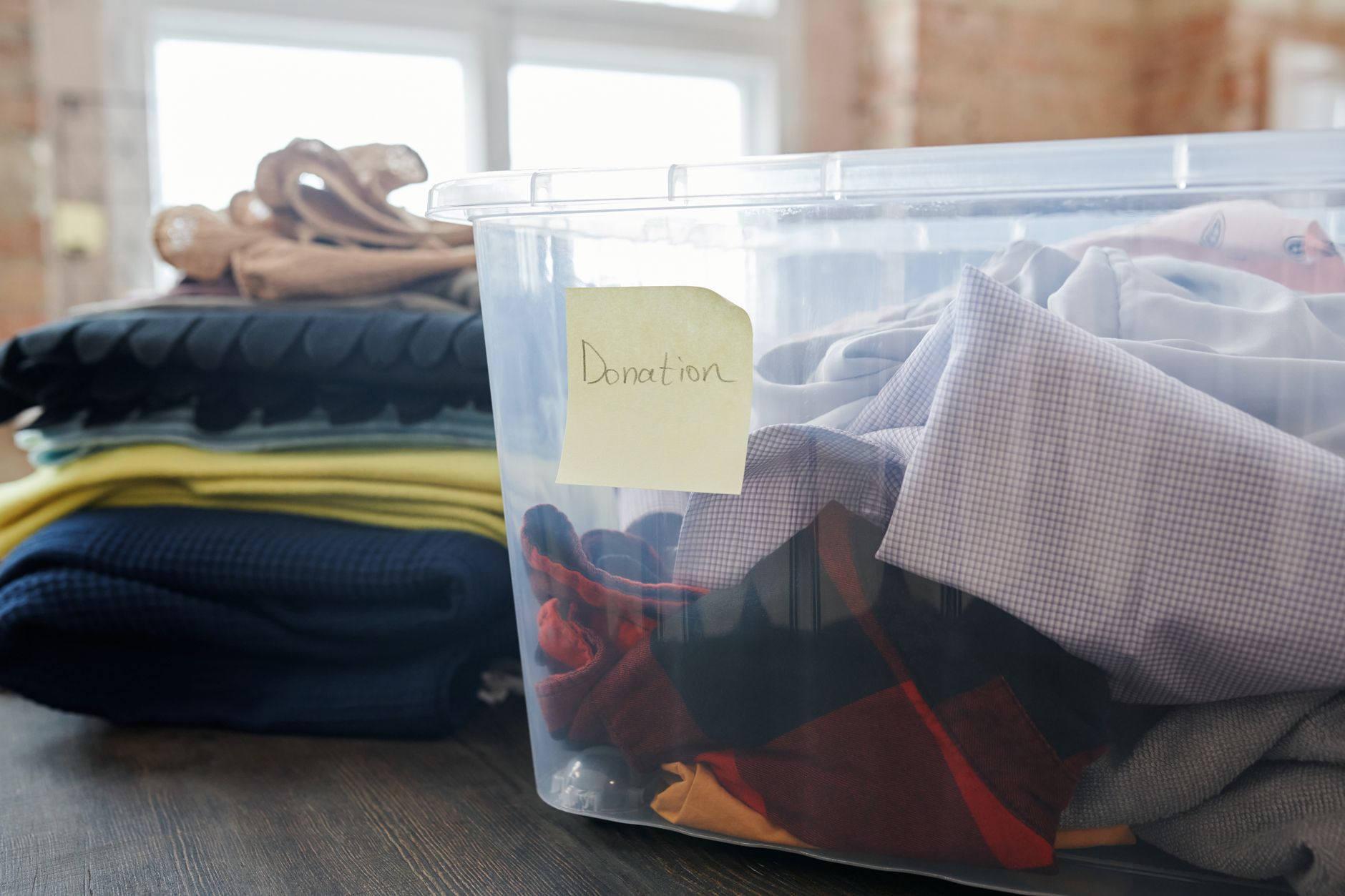
Items a baby bank turns down still have routes. Donating clothes to charity uk shops covers gently worn adult and children’s clothing, and the best charity shops in london and other cities run dedicated children’s rails that fund the same family support work. Textile banks take unwearable fabric for recycling, which pays roughly £300 to £500 per tonne back to the collecting charity.
Running Collections and Building the Wider Community Around a Baby Bank
Collections work best when tied to something people already attend. Bolt a nappy amnesty onto how to run a village fete and you will typically gather 60 to 120 packs in an afternoon, far more than a standing box in a shop porch collects in a month. Add a labelled crate per size and volunteers save an entire sorting session.
Formal structures come later. Groups that outgrow a spare room look into how to set up a charity, choosing between a CIO for around £0 to £60 in registration costs and a company limited by guarantee. Registration unlocks Gift Aid and most grant funds, and the Charity Commission expects income above £5,000 a year to trigger it. Below that, operating under an existing charity’s umbrella is simpler.
Baby banks also thrive on adjacent local networks. Parents who first meet through a neighbourhood watch scheme how to start briefing, or while starting a community garden uk project on a disused allotment strip, become the volunteer pool. Those same routes lead people toward how to become a school governor, which keeps the link between family poverty and school support visible where budget decisions are made.
Practical Rules That Make Every Donation Count
Wash everything at 40 degrees with a non-biological detergent, since many baby banks issue to newborns with sensitive skin. Air-dry rather than tumble anything with elastane, check every popper, and bin anything with a stain that survived one wash. Volunteers reject roughly one in three donated garments, and stains are the leading cause by a wide margin.
Label bags clearly with size and gender-neutral or specific, then keep bag weight under 8kg so a volunteer can lift it safely. Separate equipment from clothing. If you include instructions or a manual for a highchair or steriliser, the item can be issued immediately rather than sitting while someone hunts for a PDF online.
Cash matters as much as goods. A £20 monthly standing order buys the consumables donors rarely think of: nappy sacks, new mattresses, storage boxes and van fuel. Banks debating parish council meeting rules uk to request a grant from the precept often find a modest £500 to £2,000 award covers a year of rent, so a letter of support from a regular donor genuinely helps.
Frequently Asked Questions
How do I find a baby bank near me that accepts what I have?
Search the local authority family hub or family information service directory first, as most councils list registered baby banks alongside children’s centres. Failing that, ask at your library, health visitor clinic or GP surgery noticeboard. National networks maintain member maps that show opening hours and current wishlists. Once you have a name, check social media for the weekly needs post before packing anything, because stock levels swing sharply by size and season. If your items are refused, textile recycling points and charity shops accept most clothing, while local parent groups often rehome equipment directly. A quick phone call saves both sides time, particularly for bulky items like prams, cots or highchairs that need storage space arranged in advance.
Is it safe to donate used baby equipment such as prams and cots?
It is safe for most items provided they are complete, undamaged and not subject to a manufacturer recall. Prams, travel cots, highchairs, bouncers and stair gates are routinely accepted when every strap, buckle and fixing works and the frame shows no cracks. Check the model number against the manufacturer’s recall page before donating, which takes two minutes. Two categories are near-universally refused: car seats, because an unseen collision can compromise the shell without visible damage, and used cot mattresses, because safe-sleep guidance calls for a firm, clean, well-fitting mattress with no prior use by another child. Some banks buy new mattresses with cash donations for exactly this reason, which is where a small financial gift stretches furthest.
What happens to donations a baby bank cannot use?
Nothing usable is wasted. Clothing that fails the quality check but remains wearable is usually passed to a partner charity shop, a school uniform swap or a refugee support project. Fabric beyond repair goes into textile recycling, which generates a few hundred pounds per tonne for the collecting organisation and keeps material out of landfill. Equipment that is incomplete may be stripped for spare parts, so a pram with one broken wheel can restore two others. Items in surplus, such as an oversupply of newborn clothing after a large donation drive, get shared with neighbouring baby banks through informal regional networks. Ask where surplus goes when you drop off; transparent projects will tell you precisely which partners receive it.