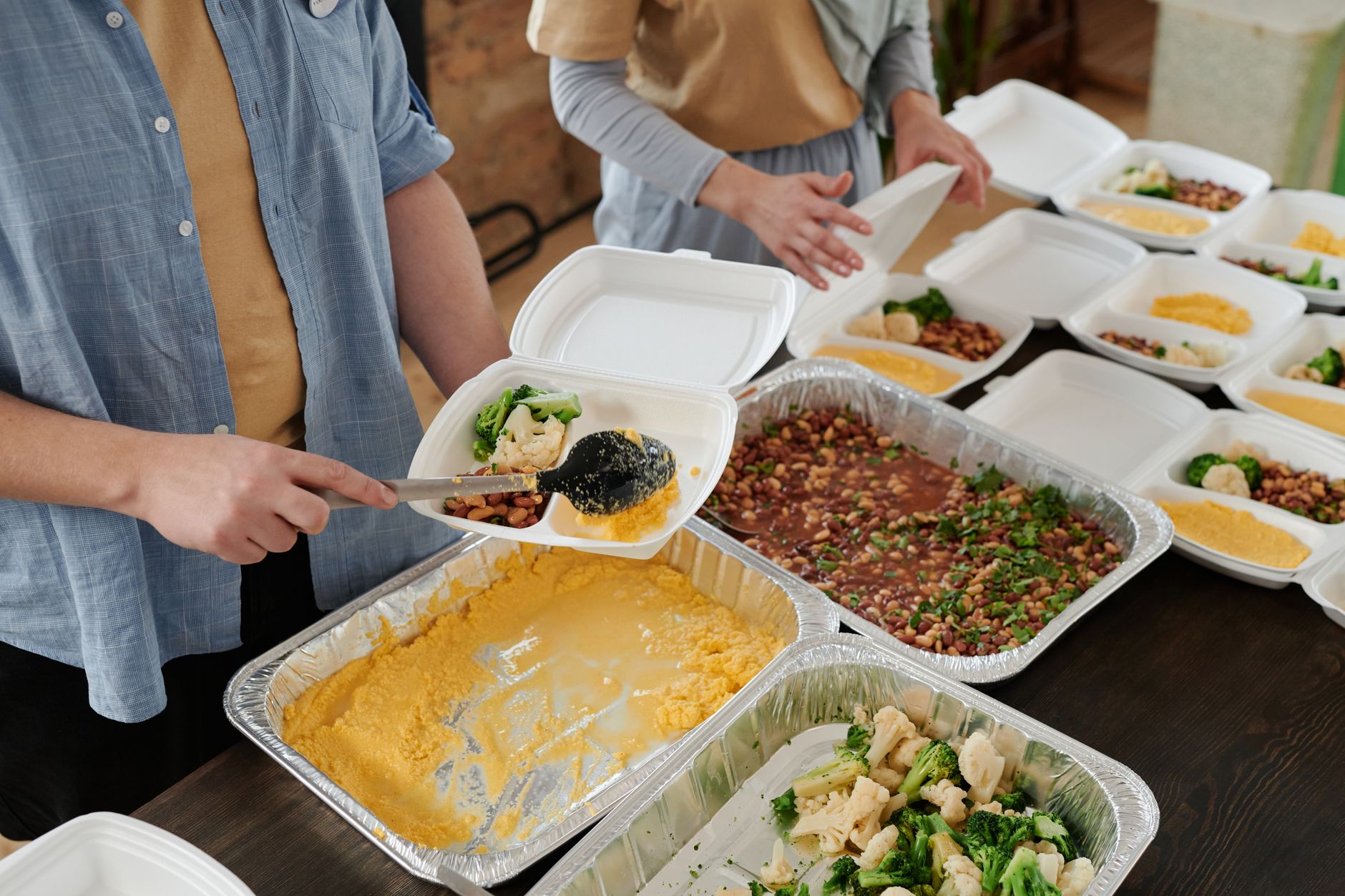
A food hygiene certificate for volunteers is the single most requested piece of paperwork in British community catering, and it costs far less than most committees expect. A Level 2 food hygiene certificate for volunteers typically runs £10 to £25 online, takes around two hours to complete, and lands as a downloadable PDF the same afternoon. Church halls, food banks, luncheon clubs, scout groups and school fairs all ask for one, yet the legal position is more nuanced than a blanket rule suggests. Retained food law requires food business operators to ensure anyone handling food is supervised, instructed or trained in proportion to their role. Training is the duty; the certificate is merely the evidence. This guide covers who genuinely needs one, what each level contains, what reputable awarding bodies charge, and how the requirement plays out across food banks, community fridges, village halls and fundraising events.
Who Needs Food Hygiene Training in a Voluntary Setting
The relevant rule is Regulation 852/2004, retained in UK law, which requires food business operators to ensure food handlers are supervised, instructed or trained in hygiene matters appropriate to their work. It never names a qualification. A food hygiene certificate for volunteers is simply the cleanest evidence an environmental health officer will accept without further argument.
Charities and community groups count as food business operators whenever they prepare or serve food with any regularity. A weekly soup kitchen, a monthly community lunch, or a staffed café inside a leisure centre all qualify. Registration with the local authority is free but must happen at least 28 days before the first session, and it cannot be applied for retrospectively.
Registration triggers an inspection and a Food Hygiene Rating Scheme score from zero to five. Inspectors assess three areas: hygiene practices, structural condition, and confidence in management. Documented training for every volunteer feeds straight into that third element, which carries the heaviest weighting and takes the longest to rebuild once a score slips.
Where the rules relax for one-off events
Genuinely occasional activity is treated more lightly. A one-off cake stall run by five parents, or a table selling wrapped biscuits at a coffee morning, sits outside registration altogether. Food Standards Agency guidance points to events happening a handful of times each year rather than setting a rigid numerical threshold that groups can count against.
Groups serving hot meals to 200 people should not lean on that exemption as an excuse to skip training. A single case of campylobacter traced back to an undercooked burger damages a committee faster than any inspection score, and public liability insurers routinely ask what training the people behind the counter actually held.
Levels, Prices and Awarding Bodies Compared
Three levels exist and they are not interchangeable. Level 1 suits helpers who never touch open food: washers-up, drivers, people handing out sealed packets. Level 2 is the working standard for anyone preparing, cooking or plating. Level 3 targets supervisors and trustees who own the food safety management system and sign off HACCP records.
Recognised awarding bodies include Highfield Qualifications, CIEH, RSPH and their accredited training partners. Online Level 2 courses from these providers cost £10 to £25, while Level 3 sits between £60 and £120. Classroom delivery runs £45 to £90 per head for a full day, which only makes sense for groups training a dozen people at once.
| Course | Who it suits | Typical online cost | Time needed |
|---|---|---|---|
| Level 1 | Washing up, serving wrapped items, delivery drivers | £8 to £15 | 1 hour |
| Level 2 | Preparing, cooking and serving open food | £10 to £25 | 2 hours |
| Level 3 | Supervisors, trustees, HACCP owners | £60 to £120 | 6 to 8 hours |
| Allergen awareness | Anyone labelling food or answering customer questions | £10 to £20 | 1 hour |
| Refresher | Returning volunteers at the three-year mark | £8 to £15 | 45 minutes |
Funding is widely available and widely missed. Several county councils and community foundations reimburse Level 2 fees for constituted voluntary organisations, and larger charities buy bulk licences at £6 to £9 per seat. Ask the volunteer coordinator before paying personally, because reimbursement is far more common than most new recruits assume.
Beware of the £2 certificate mills that appear in search results. They issue a PDF with no accreditation logo, no assessment record and no awarding body reference number. Environmental health officers recognise them instantly, and a rejected certificate means paying twice and retraining under time pressure before an inspection.
Food Banks, Community Fridges and Surplus Food
People asking how to volunteer at food bank sites usually start in the warehouse, sorting tins by date and packing parcels. That role needs Level 1 at most, since everything stays sealed. The moment a site adds a hot drinks trolley, a cooked breakfast or a repacking bench for loose produce, Level 2 becomes the sensible baseline for that team.
The UK food bank referral process shapes how much food handling actually happens. Clients arrive with a voucher issued by a health visitor, school, GP or support agency, which sets a three-day emergency parcel against a fixed list. Because parcels are pre-agreed and pre-packed, most volunteer time goes on stock rotation rather than preparation.
Surplus food and the community fridge model
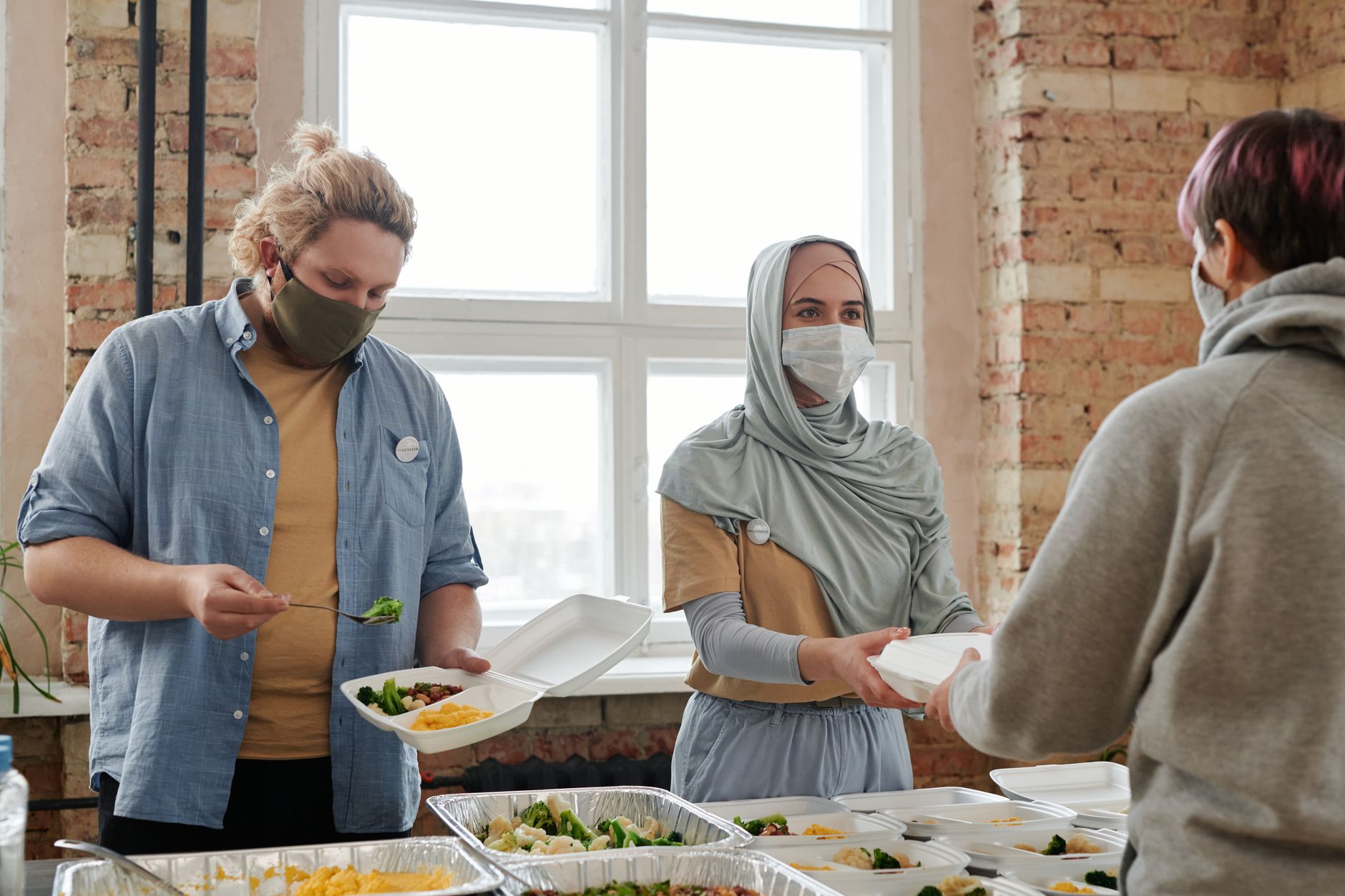
Ask a coordinator about a community fridge, how it works, and the answer centres on redistribution rather than cooking. Surplus from supermarkets and bakeries goes into a monitored fridge kept at 5C or below, logged twice daily, with high-risk items removed at the end of each day. At least one Level 2 trained keyholder should be on site during opening hours.
- Chilled storage at 5C or below, with temperatures logged morning and evening
- Hot holding above 63C for any cooked items served on the premises
- Cooked meat brought to a 75C core temperature, checked with a probe
- The 14 regulated allergens listed clearly on every prepared dish
- A 48-hour exclusion for any volunteer after vomiting or diarrhoea
Allergen handling is where voluntary projects most often slip. Pre-packed for direct sale rules mean a sandwich made on site and sold from a chiller needs a full ingredients list with allergens emphasised. A shared chopping board between a nut loaf and a plain roll undoes every other control in the building.
Village Halls, Fetes and Fundraising Events
Hall committees increasingly bake training into their booking terms. The average village hall hire cost UK groups pay sits between £10 and £40 an hour, and kitchen access is often priced separately at £15 to £25 per session, released only when the hirer supplies a valid certificate number for at least one person on the team.
Committees working out how to run a village fete face a scattered version of the same problem. Twelve stalls might involve three different food operations: a barbecue, a tea tent and a cake table. The barbecue team needs Level 2, the tea tent needs handwashing facilities and a named supervisor, and the cake table needs allergen cards on every plate.
Where the hall sits under a trust linked to the parish, governance adds another layer. Parish council meeting rules UK clerks follow require agenda items to be published three clear days in advance, so a decision to fund training or change kitchen policy cannot be made on the night. Plan approvals a month ahead of any summer event season.
Insurance follows training closely. Event cover for a fete typically costs £80 to £250 depending on attendance and whether fairground equipment appears. Several insurers apply a food hygiene condition, and a claim involving food poisoning can be declined outright if the organiser cannot produce certificates for the people who handled the food.
Fitting Food Safety into a Wider Volunteering Life
Food handling rarely stays in its own box. Trustees researching how to set up a charity discover that a Charitable Incorporated Organisation registration through the Charity Commission takes roughly 45 days and needs at least three trustees, and that food safety becomes a standing risk register item the moment the group serves a single meal.
The same crossover applies to other community roles. Someone exploring how to become a school governor will sit on committees approving catering contracts and premises lettings, and a working knowledge of hygiene ratings makes those decisions sharper. Volunteers who staff the best charity shops in London handle a different risk profile entirely, since donated goods carry no expiry dates.
Even non-food activity borrows the same discipline. The rules on donating clothes to charity UK shops apply nationwide, and groups starting a community garden UK councils will licence need soil testing and produce handling policies before harvest. Residents planning a neighbourhood watch scheme, how to start one and who to notify, follow an identical pattern of registration, training and record keeping.
How long does a food hygiene qualification stay valid for volunteers?
No UK statute sets an expiry date, and the certificate itself carries none. Awarding bodies, insurers and environmental health officers all treat three years as the refresher point, and many local authorities write that figure directly into community centre hire agreements. Practice matters more than paperwork here: a volunteer cooking weekly retains far more than someone who helped once at a summer fair. Groups running regular sessions should log a short annual refresher covering temperature control, allergen separation and handwashing, alongside the formal three-yearly renewal. Keep scanned copies in a shared folder with expiry dates noted, so an unannounced inspection does not become a scramble through personal email accounts.
Is a food hygiene certificate for volunteers a legal requirement in the UK?
Strictly, no. The legal duty sits with the food business operator, who must ensure food handlers are supervised, instructed or trained in proportion to their role. A committee could satisfy that duty through documented in-house induction and a competent supervisor present at every session. In practice the certificate is the path of least resistance: £10 to £25 buys dated, verifiable evidence in a PDF and removes any debate with an inspector about whether training actually happened. Hall trustees, church insurers and school fete organisers increasingly demand it as a condition of hire or cover, which makes the legal distinction largely academic for most community groups.
What does a Level 2 food hygiene course actually cover?
Level 2 runs roughly two hours online and covers the four Cs, meaning cleaning, cooking, chilling and cross-contamination, alongside personal hygiene, pest awareness, stock rotation and introductory HACCP. Expect specifics rather than slogans: chilled food held at 8C or below with 5C as best practice, hot holding at 63C or above, a 75C core temperature for cooked meat, and a 48-hour exclusion after vomiting or diarrhoea. The allergen module addresses all 14 regulated allergens and the labelling rules for pre-packed for direct sale items. Assessment is multiple choice, usually 20 to 30 questions with a 70 percent pass mark and free retakes included.